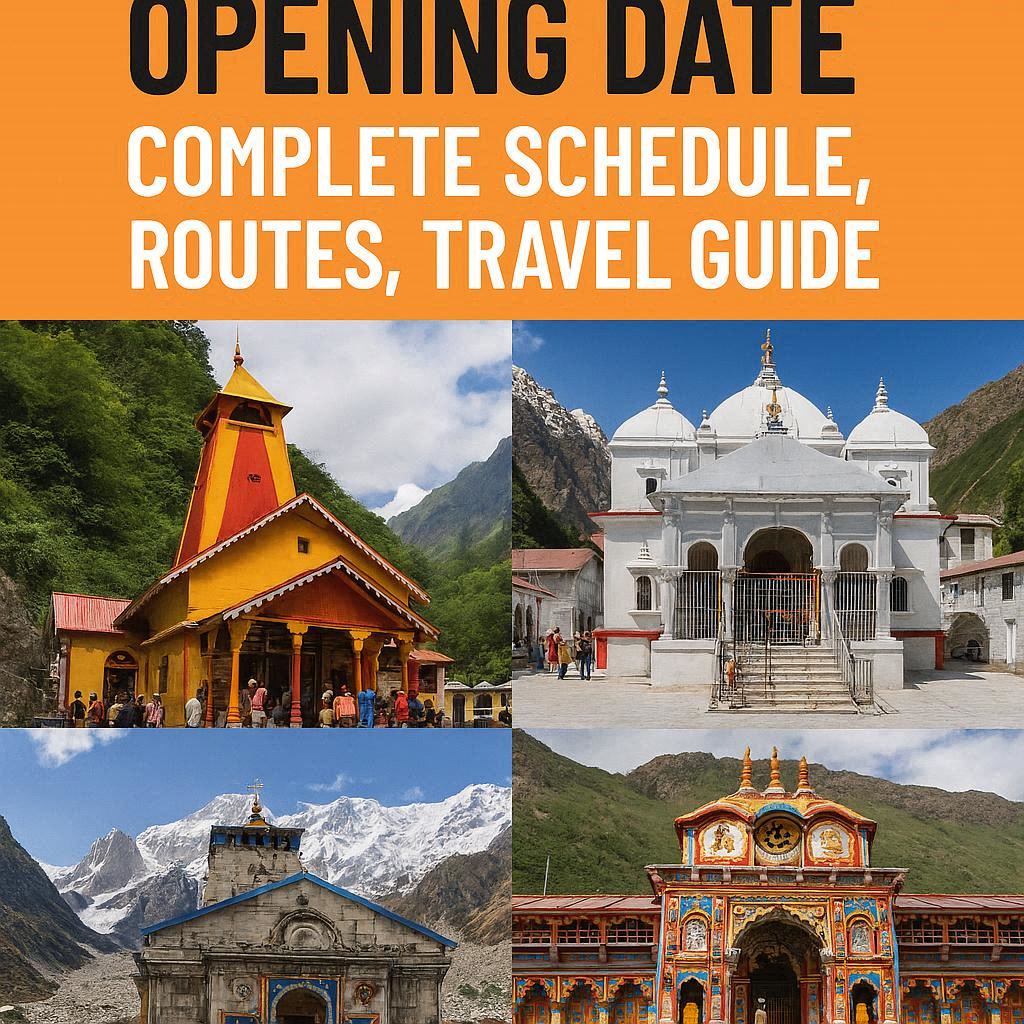
Char Dham, the sacred pilgrimage circuit of Uttarakhand, holds immense spiritual significance for millions of devotees every year. It comprises four revered shrines: Yamunotri, Gangotri, Kedarnath, and Badrinath, nestled in the majestic Himalayan ranges. However, a question that often arises among pilgrims is: How difficult is the Char Dham?
This 2026 guide delves into the challenges faced during the Char Dham Yatra, exploring everything from physical endurance to the best time for Char Dham Yatra, helping you understand what you’re getting into before embarking on this holy journey.
1. Learn About Char Dham Yatra Difficulty
The Char Dham Yatra is undoubtedly one of the most spiritually enriching experiences one can have in India. However, the Char Dham Yatra difficulty is something every traveler must be prepared for. The difficulty level varies from one shrine to another, with varying terrain, altitudes, and weather conditions.
- Yamunotri requires a moderate level of physical fitness due to a steep uphill climb.
- Gangotri is more accessible, but still, pilgrims may experience fatigue due to its higher altitude.
- Kedarnath involves a long trek with high altitude, which makes it particularly challenging, especially for those unaccustomed to the thin air.
- Badrinath has a relatively easier route but the cold and unpredictable weather can make the journey tough.
In summary, the Char Dham Yatra is considered a moderately difficult pilgrimage, and while the physical strain can be intense, it is the spiritual rewards that make it worth the effort.
2. Char Dham Altitude and Its Impact on Difficulty
The Char Dham shrines are situated at high altitudes ranging from 3,100 meters (Yamunotri) to 3,330 meters (Badrinath) above sea level. The altitude plays a significant role in the Char Dham yatra challenges, as it can cause altitude sickness for unprepared travelers. Kedarnath, at around 3,580 meters, is the highest of all and can pose substantial problems for those not acclimatized to the rarefied air.
Symptoms of altitude sickness can include dizziness, shortness of breath, and fatigue. To mitigate this risk, it is advisable to gradually ascend and take breaks during the journey to help your body adjust to the decrease in oxygen levels.
3. The Trekking Challenge of Kedarnath
Among the Char Dham Yatra places, Kedarnath is arguably the most difficult to access, owing to its steep terrain and high altitude. The trek to Kedarnath from Gaurikund is about 16 kilometers, taking around 6-8 hours for most pilgrims. It’s an arduous uphill journey, which can be physically taxing, especially for elderly or unfit individuals.
However, the path has been modernized with well-paved walkways, horse rides, and palanquins for those who find walking challenging. Still, it is a demanding hike, and the altitude and weather add to the difficulty. Pilgrims need to take proper precautions to avoid exhaustion and ensure a smooth journey.
4. Char Dham Yatra Challenges Beyond Physical Strain
In addition to the physical challenges, the Char Dham Yatra comes with its own set of challenges:
- Weather Conditions: The unpredictable weather in the mountains can add to the Char Dham Yatra difficulty. The region experiences cold temperatures, especially during the night, with the possibility of rain, snowfall, and strong winds, making travel difficult. You should be prepared with warm clothing, waterproof gear, and essential supplies.
- Crowds: Char Dham is a popular pilgrimage destination, which means there can be a significant number of pilgrims, especially during peak season. Dealing with large crowds may cause delays in travel and accommodation, adding to the overall strain of the journey.
- Limited Facilities: While accommodations and basic facilities are available, they are relatively basic, especially in the higher altitudes. For those accustomed to luxury travel, this might be a bit of a challenge.
5. Best Time for Char Dham Yatra
The best time for Char Dham Yatra is crucial to make the pilgrimage as smooth as possible. The Char Dham yatra places are open only for a limited time each year, generally from April-May to October-November. The best time for Char Dham Yatra is typically from May to June and September to October, when the weather is most favorable.
- May-June: This period sees pleasant weather, clear skies, and warmer temperatures, making it the most suitable time for the yatra.
- September-October: Post-monsoon, the weather improves, and the route becomes less slippery, although the temperature can start to dip.
Avoid traveling during the monsoon season (July-August) due to heavy rainfall and landslides that disrupt the journey.
6. Char Dham Yatra Itinerary Duration
The duration of the Char Dham Yatra varies depending on the pace of your travel and how much time you spend at each shrine. On average, the entire Char Dham Yatra itinerary duration is about 10 to 12 days.
- Day 1-2: Arrive at Haridwar/Rishikesh, then travel to Yamunotri.
- Day 3-4: After visiting Yamunotri, head to Gangotri.
- Day 5-7: Proceed to Kedarnath, where you will trek and spend a night in the region.
- Day 8-10: Visit Badrinath and conclude your Yatra.
Some travelers opt for a 4 Dham Yatra package, which includes a visit to other sacred sites like Yamunotri, Gangotri, Kedarnath, and Badrinath within a specified time, usually about 7-9 days.
7. Physical Preparation and Precautions
The Char Dham Yatra requires a fair amount of physical preparation. You should ideally begin training a few weeks before the trip, especially if you plan to trek to places like Kedarnath. Regular walking, light jogging, and strengthening exercises will help you build the stamina required for the long walks and uphill treks.
Important tips for preparation:
- Carry comfortable trekking shoes and a first aid kit.
- Stay hydrated, but avoid drinking unfiltered water.
- Pack light, but include essential warm clothing, rain gear, and basic snacks.
- If you’re not used to high altitudes, it may help to spend a day acclimatizing at Rishikesh or Haridwar before starting the yatra.
Is Char Dham Yatra Really That Difficult?
The Char Dham Yatra can feel challenging, but much of its difficulty depends on how well you prepare. The journey demands patience, steady pacing, and awareness of changing mountain conditions. Pilgrims who plan their travel smartly by choosing the right season, staying hydrated, and taking adequate rest, often find the yatra manageable.
Support services like helicopter transfers, improved roads, and guided tours have also made the route more accessible than before. With the right mindset and basic fitness, most travelers can complete the pilgrimage comfortably and safely, experiencing both its spiritual depth and natural beauty without feeling overwhelmed.
Conclusion
The Char Dham Yatra, though demanding, becomes far more approachable when travelers plan wisely and stay mindful of the mountain environment. With steady preparation, the right travel window, and attention to health and pacing, pilgrims can enjoy a meaningful and inspiring Himalayan journey.
If you’re considering undertaking the Char Dham Yatra, DestinationTourCabs offers expert services to make your journey smoother, helping you with everything from planning your itinerary to comfortable transport options.
Take on the challenges, enjoy the beauty of the Himalayas, and let the Char Dham Yatra transform you in ways you’ve never imagined!
FAQs
- Which month is the best to visit Char Dham Yatra?
May – June and September – October are good months that offer clear weather and comfortable travel conditions.
- Where to stay during the Char Dham Yatra?
Pilgrims can choose from budget lodges, guesthouses, and dharamshalas near each shrine, with basic but comfortable facilities.
- Which Char Dham to visit first?
The yatra traditionally begins at Yamunotri, followed by Gangotri, Kedarnath, and ends at Badrinath.
- What is the age limit for Char Dham Yatra?
There’s no strict age limit, but children below 5 and adults above 75 should travel with caution and medical clearance.
- Which is the best travel agency for Char Dham Yatra booking?
Look for trusted, well-reviewed agencies offering safe transport and organized itineraries – DestinationTourCabs is a reliable option.
- Is the Char Dham Yatra very difficult?
It can be moderately challenging, but proper planning, fitness, and the right travel season make it manageable.
- Can elderly or unfit people attempt the Char Dham?
Yes, many do. Using ponies, palanquins, or helicopter services helps reduce physical strain significantly.